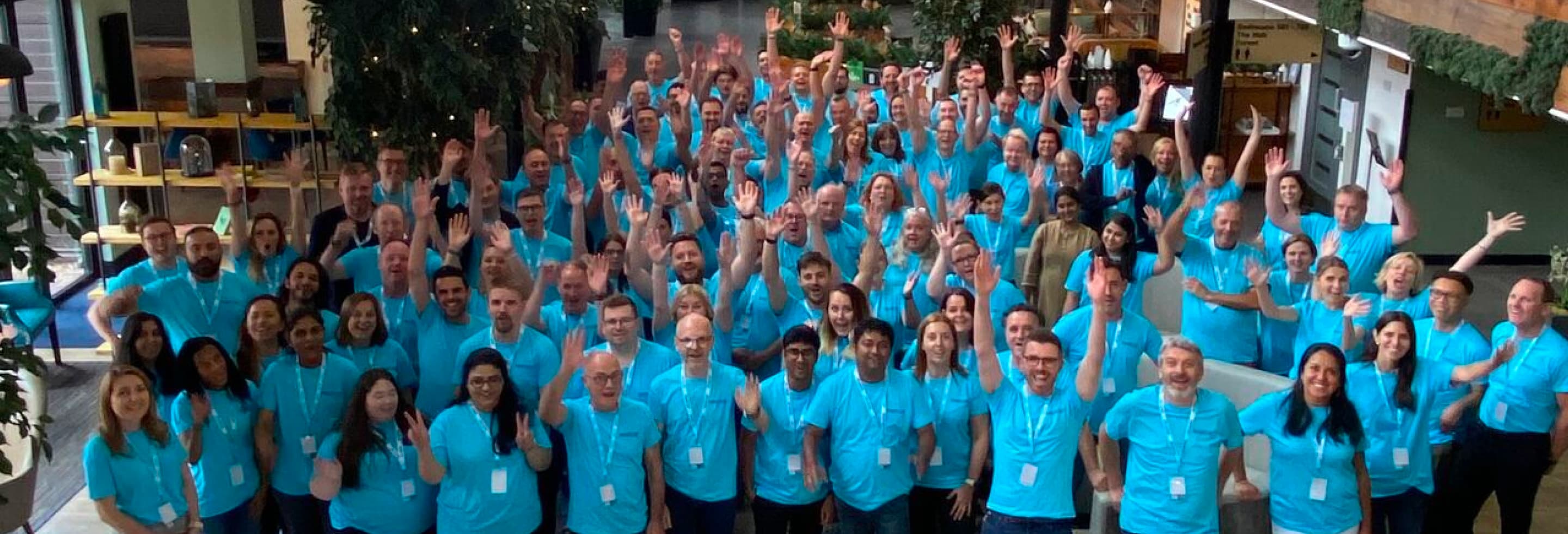
A chunk of the global Product team. Apologies, this photo was taken with a potato.
Case study
Changing how a global software company designs and builds products
My role
Director of Product Design and User Experience
Company
Keyloop
Responsibilities
- Design and UX research strategy
- Cross-functional product leadership
- Team and design capability
Impact at a glance
£14m
ARR unlocked
30%
Faster time to market
27%
Fewer support contacts
3 → 15
Design & research team
Summary
Keyloop is a global automotive software company operating across a complex portfolio of products, legacy systems and acquisitions.
I joined at a point when that complexity was creating problems for both customers and delivery teams. Customer onboarding could take up to 18 months, £14m in ARR was tied up waiting to be realised, and product and engineering teams across Europe, India and North America were often delivering within individual products rather than around the end-to-end customer experience.
My focus was not simply to grow a design team. It was to embed design and research into product and engineering, create a clearer view of the customer journey, and establish the capability needed to deliver a more coherent product experience at scale.
The challenge
- A fragmented portfolio shaped by legacy products and acquisitions
- Product teams working in silos with inconsistent ways of working
- Limited design, research and front-end capability
- Customers moving between disconnected systems and repeating the same tasks
- An 18-month customer setup backlog
Building design into product and engineering
When I joined, design and research were limited resources rather than embedded parts of product delivery.
I grew the design and research function from 3 to 15 and moved designers into cross-functional teams alongside product managers and engineers. Research became part of planning and decision-making rather than something requested after a solution had already been defined.
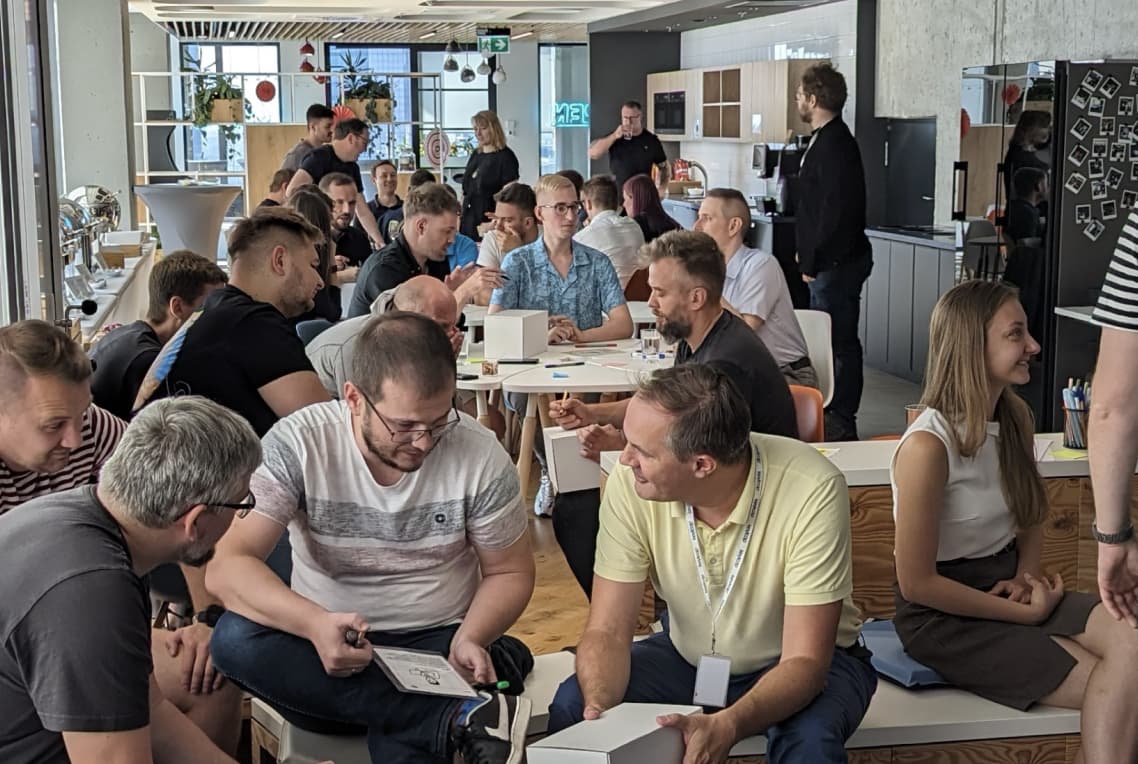
One of the first designers I hired joined the team responsible for customer setup. Working with UX research, the team uncovered issues in the existing experience, brought those findings directly into product and engineering, tested new approaches and changed the roadmap.
Outcome
Customer setup became 3× faster, with fewer bugs and a smoother onboarding experience.
Making customer evidence part of every product decision
I made customer research a formal part of the product development process across the organisation. Teams were expected to understand the customer problem before work was approved, and major initiatives would not go through C-suite review without evidence that customers had been involved.
That meant getting teams out of the office and into dealerships and workshops, watching how people actually worked rather than designing from assumptions. I drove this across Product, Design and Engineering so research wasn't something owned by the UX team or added at the end of a project.
This changed how product decisions were made. Customer behaviour became something teams had to demonstrate, not something they could assume.
Designing from the customer journey, not the product list
Keyloop's portfolio had grown product by product, creating a fragmented customer experience across the automotive retail journey. Customers moved between duplicated applications, repeatedly entering the same information across inconsistent interfaces and disconnected workflows, with no team accountable for the end-to-end experience.
Internally, teams were focused on their own products, roadmaps and feature delivery. Success was measured by meeting deadlines promised by Sales months earlier, not by the quality of what was delivered or how it complemented the overall customer journey. The business knew there were inconsistencies, but nobody owned fixing them across the portfolio.
There was no shared view of what the overall customer experience should become. Different teams had different interpretations of the destination, making it difficult to make joined-up product decisions.
I brought stakeholders together in short, focused workshops to map the portfolio against the customer journey. That created a shared view of where products overlapped, where experiences broke apart and where teams were solving similar problems independently.
This work then became something tangible rather than another strategy document.
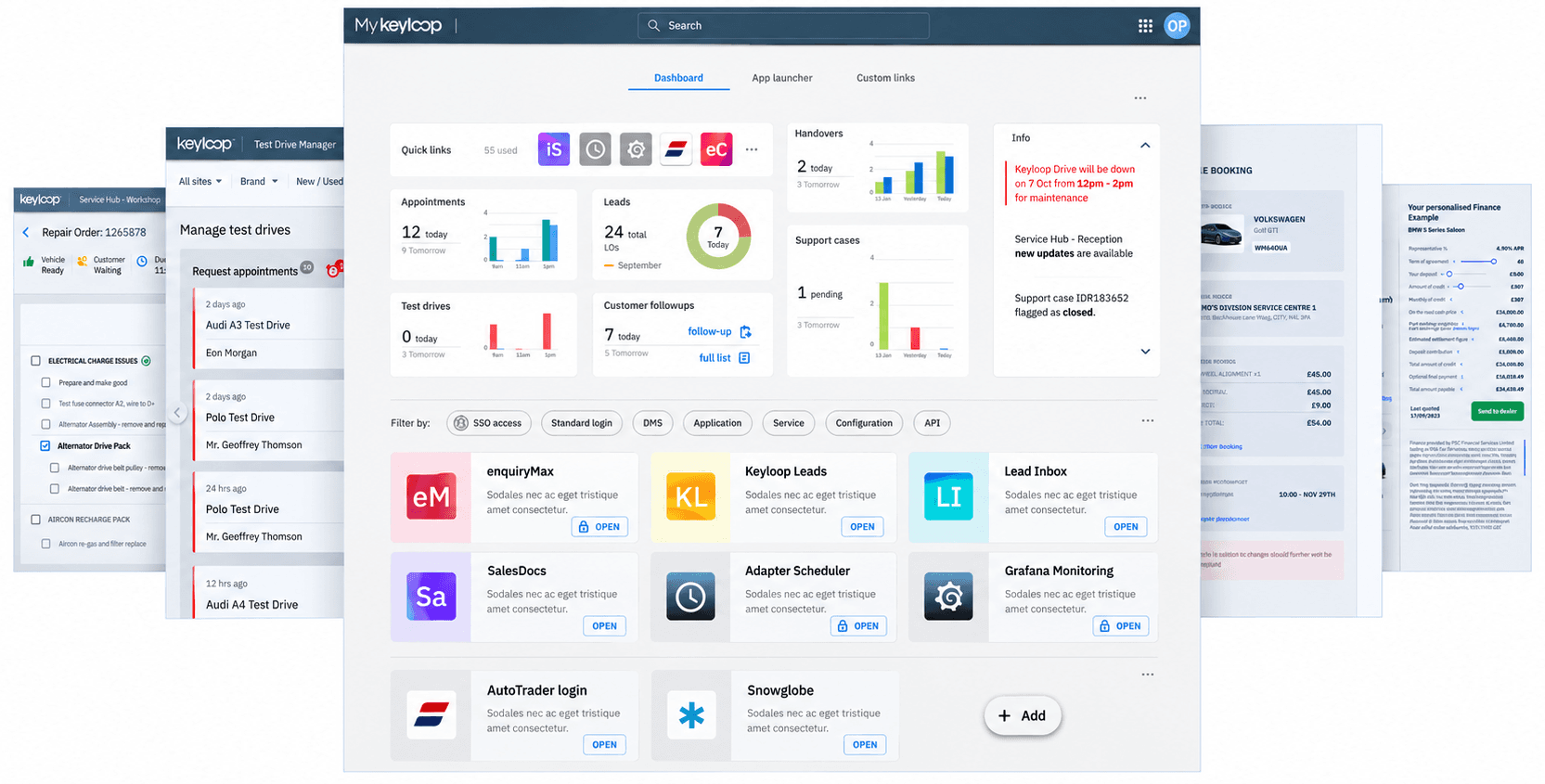
We developed two experience prototypes: a longer-term North Star showing how the portfolio could become one coherent experience, and a nearer-term version showing what teams could realistically move towards now. Both were shared with the Board and customers.
Outcome
Teams could see the same North Star and make nearer-term product decisions in the context of a shared customer experience.
Creating the system to scale it
As design became more embedded, the next problem was consistency.
UI ownership was fragmented and there were no common front-end standards. Designers could produce from different Figma libraries, while front-end work could be assigned to engineers without specialist front-end experience.
I tackled this with design and engineering rather than treating it as a design-team problem. I introduced common patterns, reusable components and clearer ways for Design, Product and Engineering to work together across products. Teams stopped repeatedly solving the same problems from scratch.
We first established a shared UI framework and clearer ownership within design. I then worked with engineering leadership to create a global Community of Practice bringing together architects, front-end developers and designers.
Its success helped secure investment for a dedicated design-system team spanning design, architecture and front-end engineering.
That reduced design and engineering effort, improved consistency across the portfolio and helped us get products to market 30% faster.
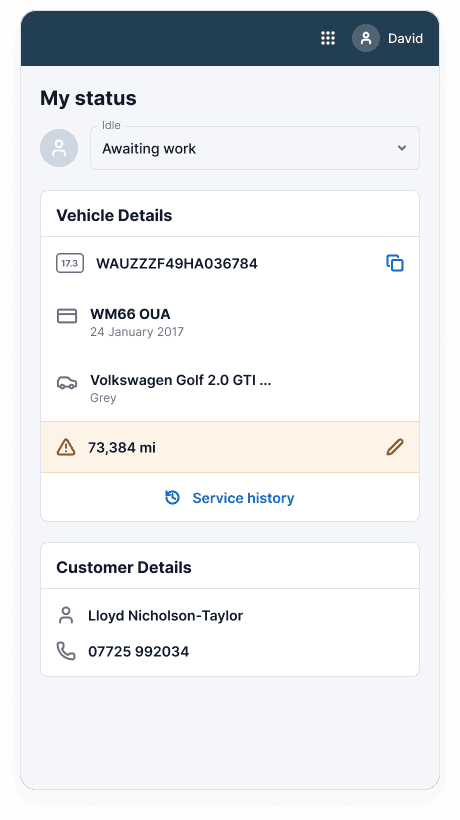
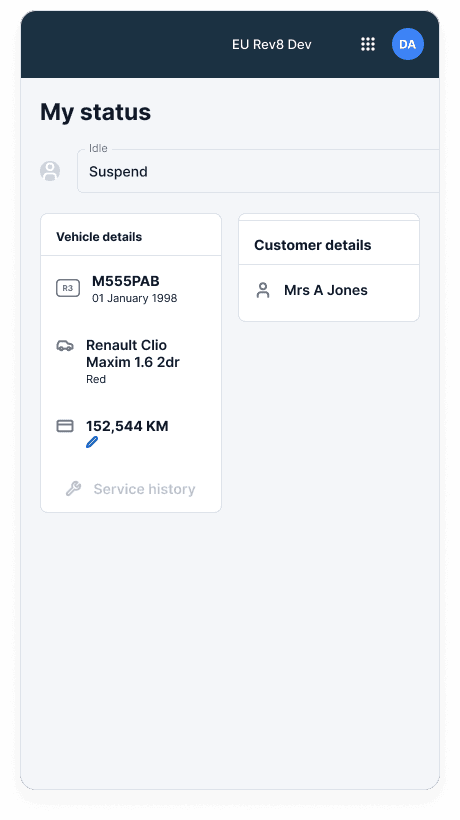
The gap between supplied designs and front-end builds before we introduced shared standards.
Outcome
Within 12 months we had established front-end as a recognised discipline, grown the Community of Practice to 20+ members and launched a design system to improve consistency and streamline delivery.
Impact
- 3× faster customer setup
- 30% faster time to market
- 27% fewer support contacts
The bigger change was how design operated inside Keyloop. What began as a small central capability became a global design and research function embedded into product and engineering, helping teams make decisions around customer outcomes rather than individual features.