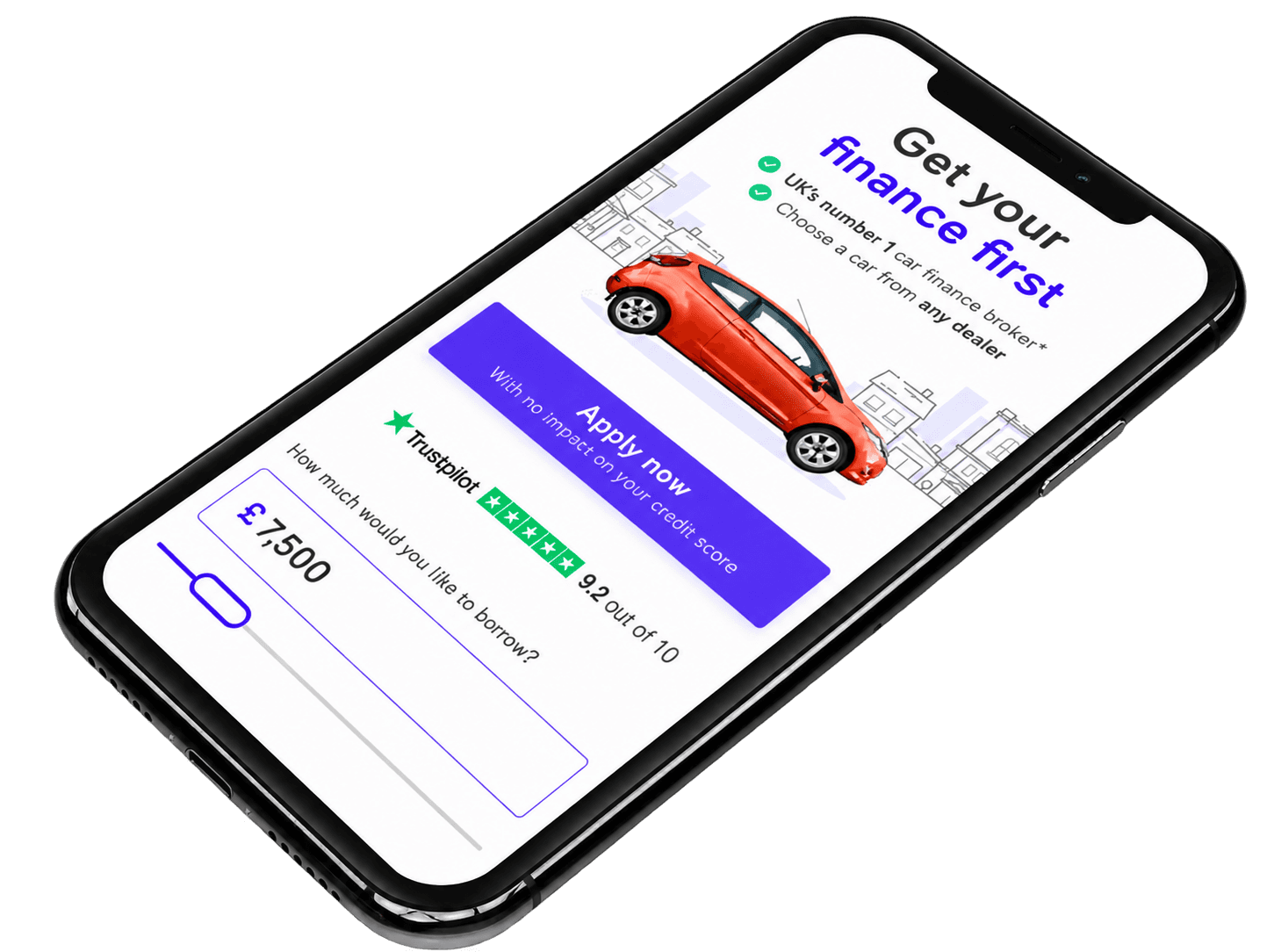
Case study
Turning customer insight into a 31% conversion increase
My role
Head of Product Design & UX
Company
CarFinance247
Responsibilities
- Design and product strategy
- UX research and optimisation (CRO)
- Web and mobile app conversion
Impact at a glance
31%
Website conversion increase
43%
Increase on highest-traffic PPC page
20%
Call centre efficiency uplift
£2.4m
Marketing savings enabled
Setting a data-informed, mobile-first strategy
CarFinance247 was growing quickly, with more than 20,000 finance applications a week and around £10m a year being spent on Google advertising.
But the digital experience had seen little significant improvement for several years. Design maturity was low, product decisions were often driven by internal assumptions and there was immediate pressure to increase conversion.
With around 80% of traffic coming from mobile, I set a data-informed, mobile-first design strategy using Lean UX: understand what customers were doing, find out why, design against the evidence, release quickly and measure the result.
Watching customers use the product exposed problems the business couldn't see in analytics alone.
Used with permission. Participant blurred here as a courtesy.
Using customer evidence to drive the strategy
We already had quantitative data showing where customers abandoned journeys and which pages underperformed. What we didn't understand well enough was why.
The first thing I did was run a full day of usability testing, bringing senior stakeholders and key people into the sessions and live-streaming them across the office. Seeing customers struggle with the experience first-hand made the problems impossible to ignore and gave me the evidence I needed to drive change.
The first usability session exposed a simple but costly problem. Customers clicking "I want this car" didn't realise it triggered a sales call. I changed the wording to "Call me about this car"; the change went live in less than half a day and cut cold leads by 20%.
I then established regular customer research and usability testing alongside the quantitative data, so customer evidence became part of how product decisions were made.
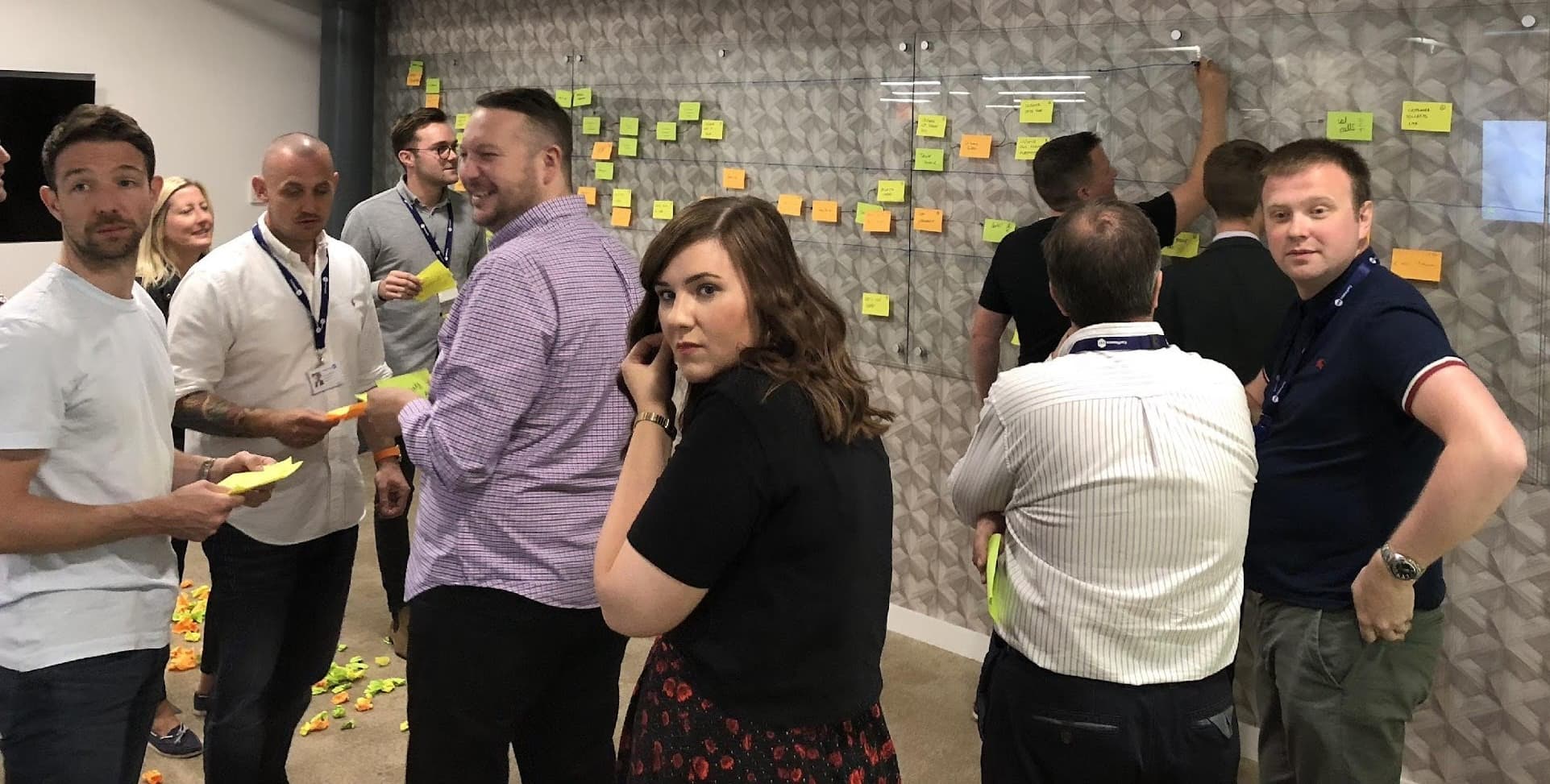
I also ran stakeholder workshops to map the customer journey, combining analytics, domain knowledge and research into a shared view of the experience.
This gave us a much stronger basis for prioritising work: customer evidence, commercial impact and the effort required to make the change.
Making customer evidence impossible to ignore
Making the research visible was deliberate. Rather than asking teams to take design's word for what needed fixing, I used direct customer evidence to influence decisions across product, engineering and the wider leadership team.
It shifted the conversation from opinion to evidence and made it much easier to align teams around what needed to change.
Outcome
Customer research became an input into product decisions, not something used to validate them afterwards.
Leading the redesign around customer intent
The quick wins helped build confidence in the strategy, but the bigger opportunity was redesigning the core customer experience.
I led a mobile-first redesign of the website and key acquisition journeys around what customers were trying to achieve, the information they needed and the points where we were creating unnecessary friction.
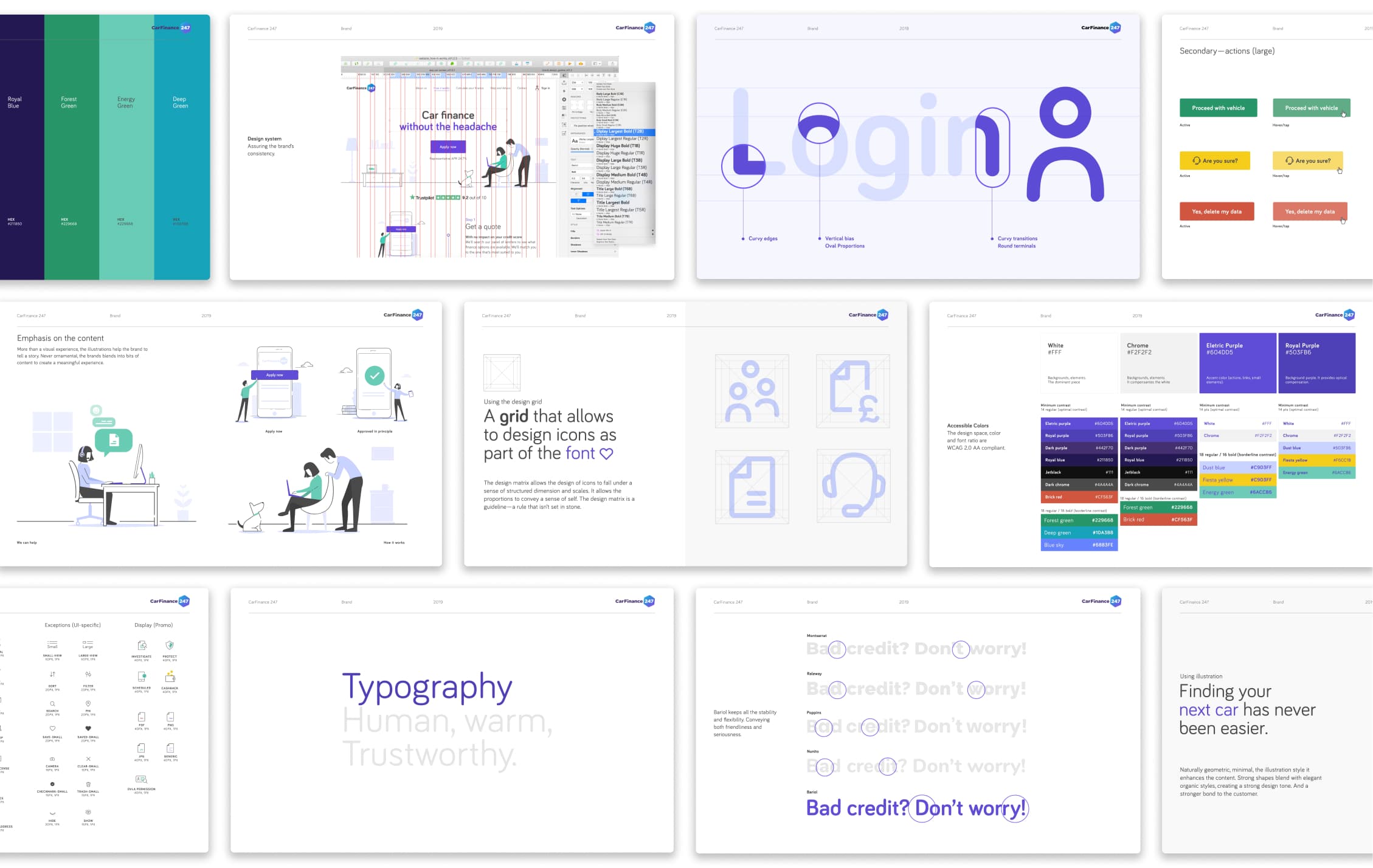
I also directed the evolution of the brand and UI towards a calmer, more reassuring experience, replacing the more excitable sales-led feel of the existing product. We preference-tested the new direction with the target audience before moving into live experiments.
Working directly with product and engineering, we then redesigned journeys incrementally rather than waiting for one large release.
Redesigning and rewriting the application journey
The finance application was one of the most important journeys in the experience.
I led its redesign from long pages into a clearer stepped process designed around mobile use. We reduced complexity, improved the hierarchy of questions and made the progression through the application easier to understand.
I also brought UX writing into the team because the language was part of the experience, not something to add after the interface had been designed. The application was redesigned, rebuilt and rewritten as one experience.
We tested and measured the changes as they went live, using the results to inform subsequent releases.
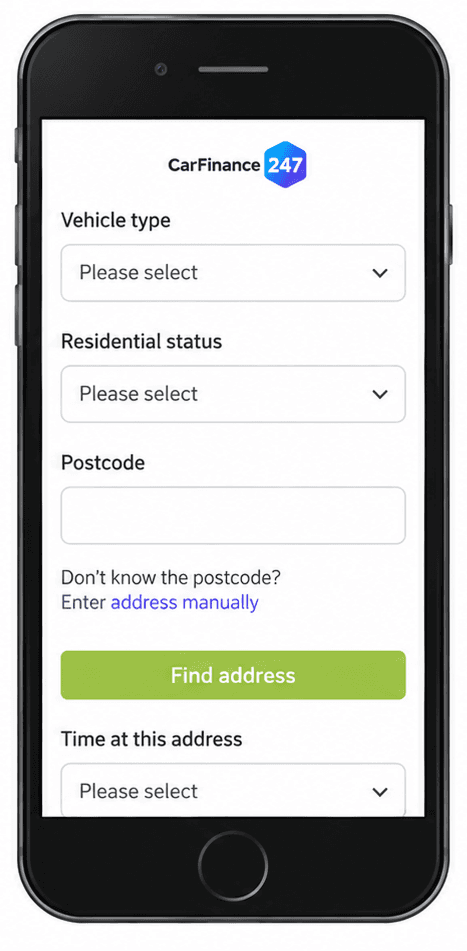
Old application form
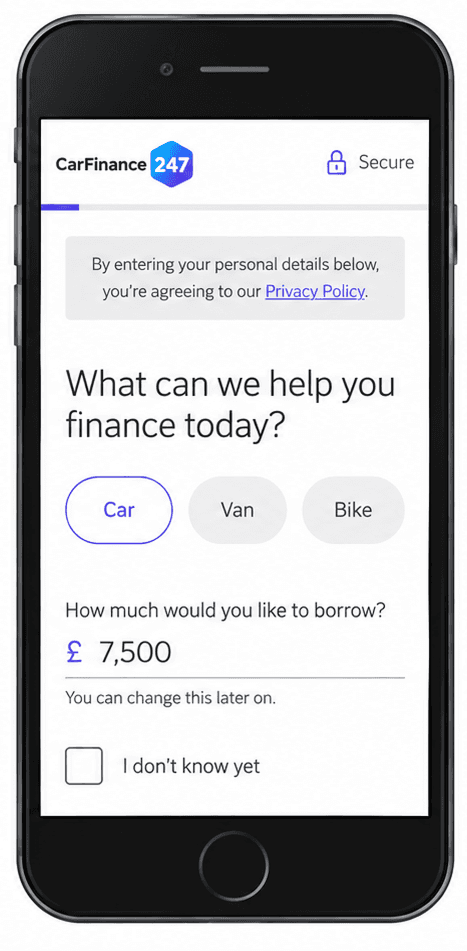
Redesigned application · Step 1
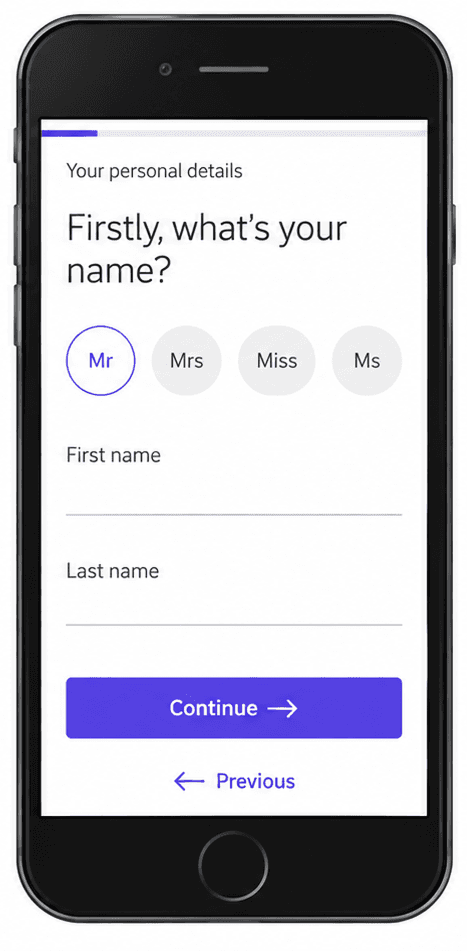
Redesigned application · Step 2
Redesigned, rebuilt and re-worded, moving from long forms to a simpler stepped process, with great work from our UX writer.
Using high-intent PPC traffic to test the design
The highest-traffic PPC landing page gave us the best place to test the new direction because user intent was already strong and we could get immediate feedback from live conversion data.
I led its redesign and rebuild using the same mobile-first approach, then tested the new experience against the existing page using paid-search traffic.
We began with a small traffic split and increased it iteratively as the evidence strengthened. This let us learn quickly and reduce risk before rolling the approach out more broadly.
The redesigned journey delivered a 43% increase in conversion on the business's highest-traffic PPC page.
We then applied what we had learned more broadly across the website. The redesigned homepage ultimately delivered a 31% increase in website conversion.
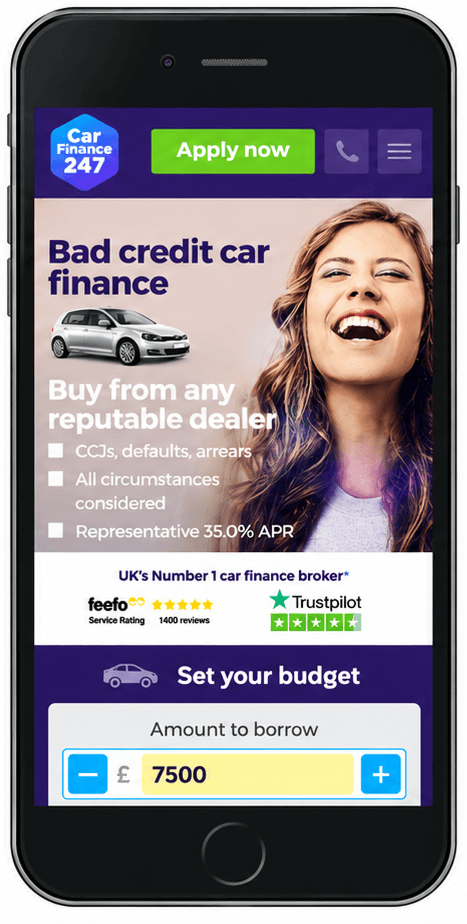
Original
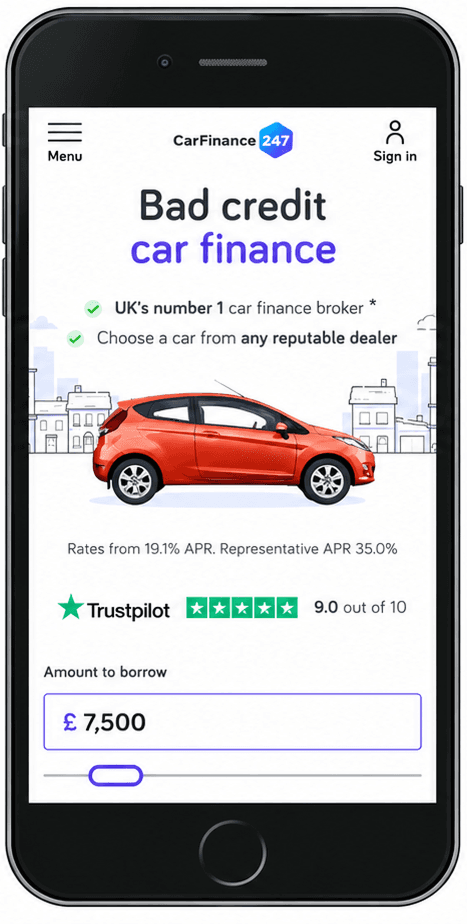
Redesigned without a prominent CTA
+18%
conversion increase
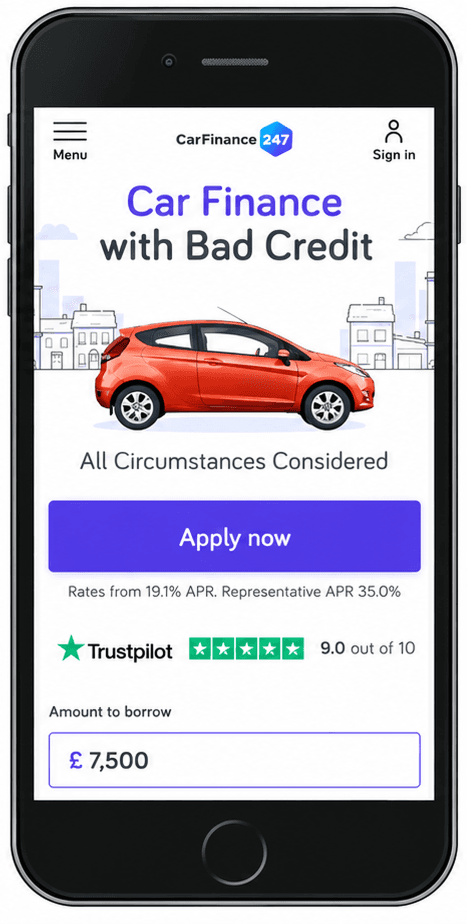
Redesigned with a clear Apply now CTA
+43%
conversion increase
Outcome
Evidence made it easier to move quickly. We could test which approach worked better for customers and the business.
Building design and front-end capability around the strategy
Delivering the redesign also meant building the capability to sustain it.
I grew the design function from one designer to a broader team covering product design, UX research and UX writing, while also building front-end capability with the CTO.
Design and front end worked closely together so what we designed could be delivered with the same level of quality. We introduced shared patterns and a living component library, improving consistency and making subsequent releases faster.
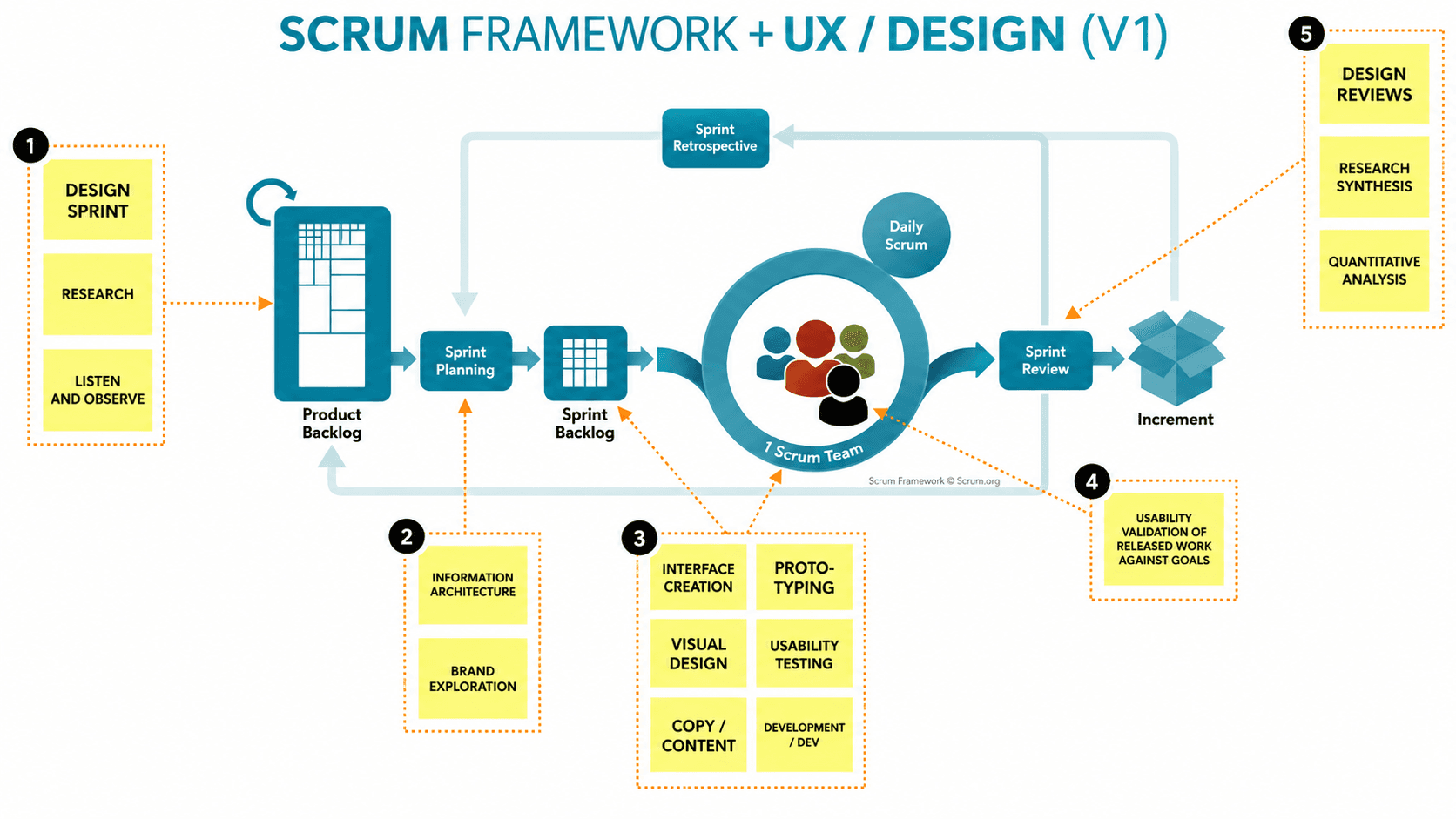
I also changed how the teams worked, embedding design alongside product managers and engineering leads rather than treating it as a service requested after decisions had already been made.
Changing how product decisions were made
The bigger change was not one redesign or one conversion result.
Customer evidence, behavioural data and commercial performance became part of the same conversation. Design became part of deciding what should be built and why, rather than simply improving solutions after they had already been defined.
I introduced Lean UX alongside Scrum, brought OKRs into how we set and measured product outcomes, and established a closer Design, Product and Engineering partnership so teams could identify problems, prototype, test, release and learn more quickly.
That operating model helped us move from a sales-led digital experience towards one where customer needs and measurable outcomes shaped product decisions.
Impact
- 31% increase in website conversion
- 43% increase on the highest-traffic PPC page
- 20% call centre efficiency uplift
- £2.4m in marketing savings enabled
I delivered a significant commercial and cultural change. Conversion increased across the digital journeys, the mobile app reached a 4.8 rating and call centre efficiency improved. Customer evidence and measurable outcomes became central to how product decisions were made. I changed not just the experience, but how the business designed, built and improved digital products.