Article
I created the perfect design thinking workshop for non-designers
“Design a radio” is a practical workshop that helps people understand user needs and experience how better context leads to better design decisions.
If you want people across a business to really understand user needs, you need to do more than talk to them about customer-centricity.
This is a workshop I use to get people actively thinking about who they are designing for, what they know about them and, importantly, what they don't know.
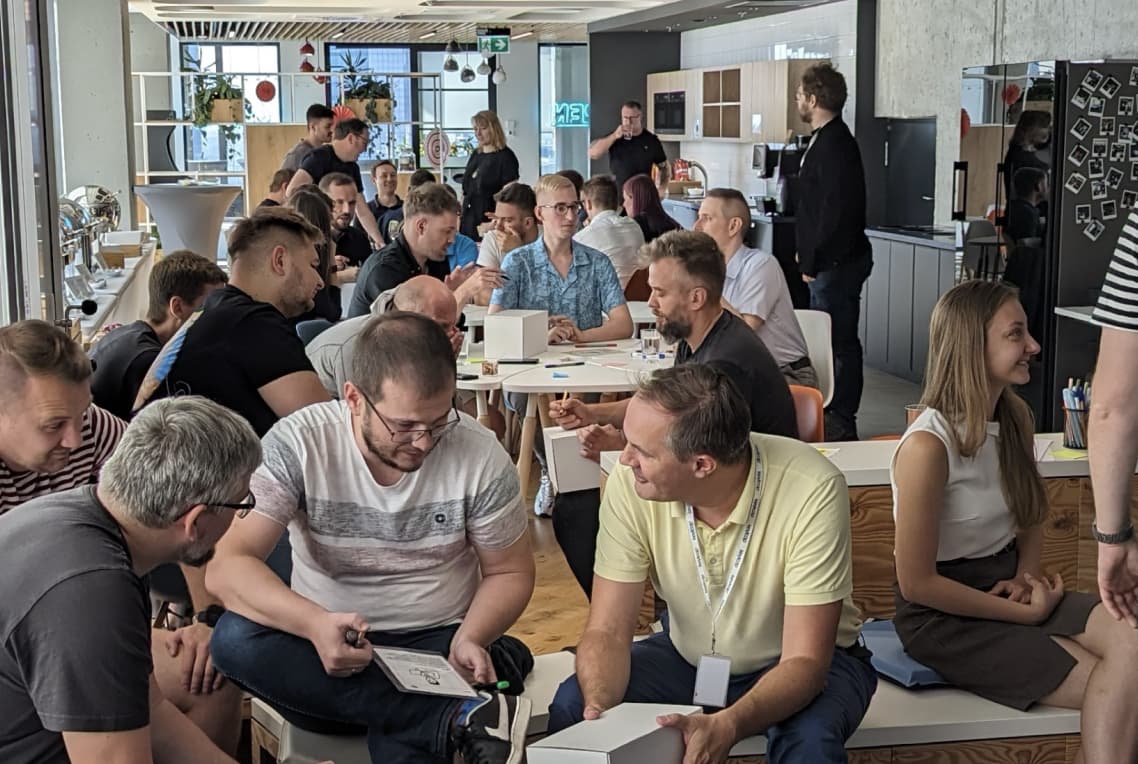
It works well at the start of a transformation programme or as part of a project kick-off, and it is deliberately designed for people from across the business, not just Product, Design and Engineering.
The exercise is simple: design a radio.
What you'll need
- People. Sessions get good from around 20 people upwards.
- Around 1.5 hours for 20 people.
- Bad Ideas cards.
- Sharpies, Post-its and general craft supplies.
- White cardboard boxes. Shoebox size works well.
- People, trait and impairment cards.
- Envelopes.
- A screen and a few slides to introduce the session.
1. Workshop intro
Split everyone into teams of five or six.
Try not to let people sit entirely in friendship or discipline groups. Avoid having all the marketers together, all the engineers together or all the senior leaders together. Mixing people is part of the value.
The scene setting is simple:
A better outcome for users delivers a better outcome for your business
Tailor the intro to your business and situation. If this is part of a transformation programme then this can be aligned to achieving the mission and vision of the business.
If it is part of a product kick-off, connect it to what the product is trying to achieve and the importance of understanding the people who will actually use it.
2. Warm up
Yes, warm-ups can be a bit cringe. They are also useful.
You want people talking, laughing and getting comfortable with teammates they might not normally work with.
I use an exercise called Bad Ideas.

Give each team a deliberately bad idea and five minutes to work out how they would sell it back to the room.
For example:
Spaghetti shoelaces.
A team might come back with something like:
“These amazingly practical and tasty spaghetti shoelaces can not only fasten your shoes, but if you're hungry you can simply stop, bend down and eat some of your lace.”
It is nonsense. That's the point.
People have had a laugh, worked together and presented something back to the room before the main exercise has even started.
3. Design a radio
The reason I use a radio is that almost everyone understands what one is and how one works. It has a very low barrier to entry, particularly for people who don't work in technology or design.
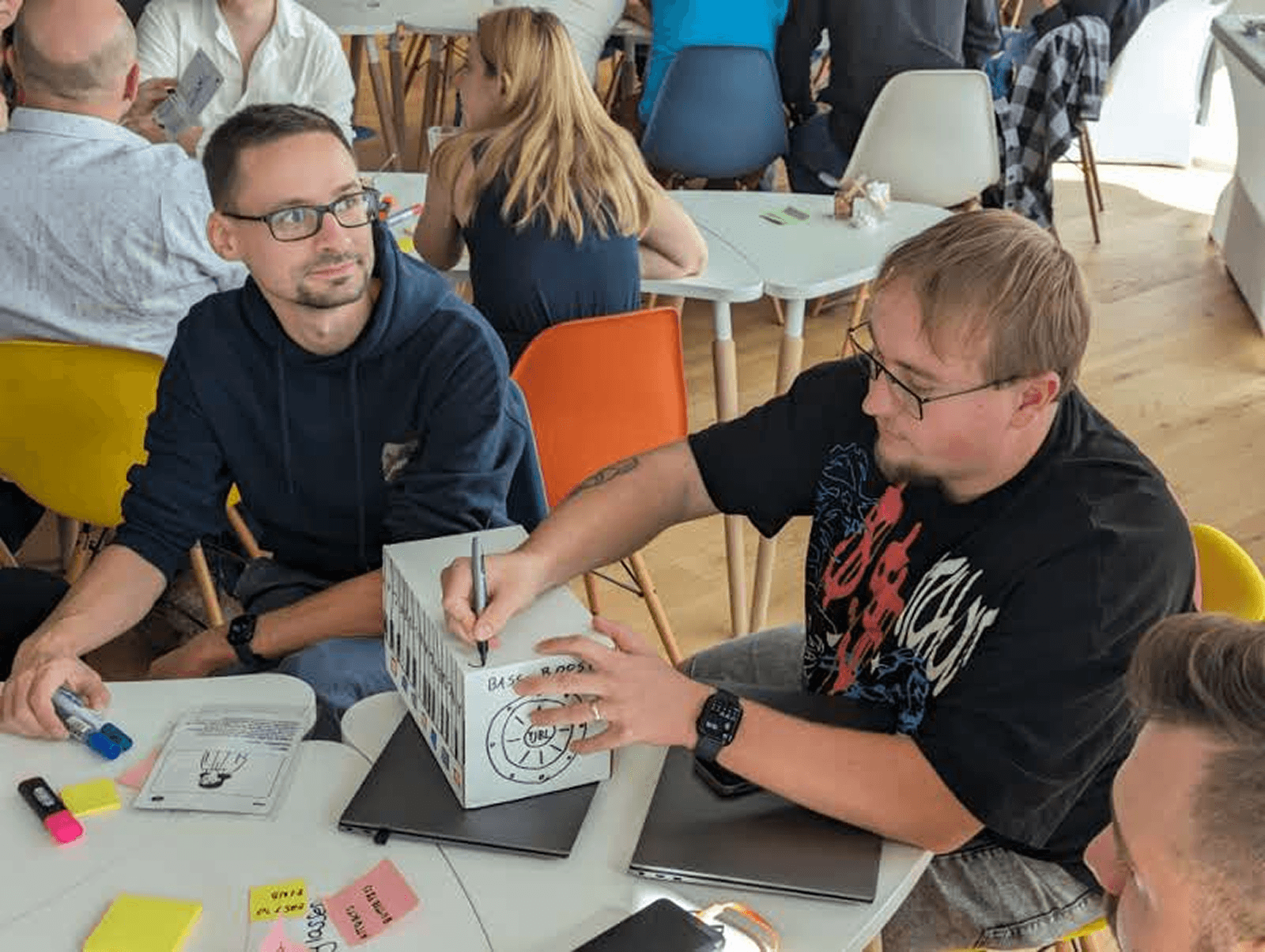
Each team gets a cardboard box, Sharpies, Post-its and whatever other craft materials you want to throw at them.
Then give each team an envelope containing a People card.
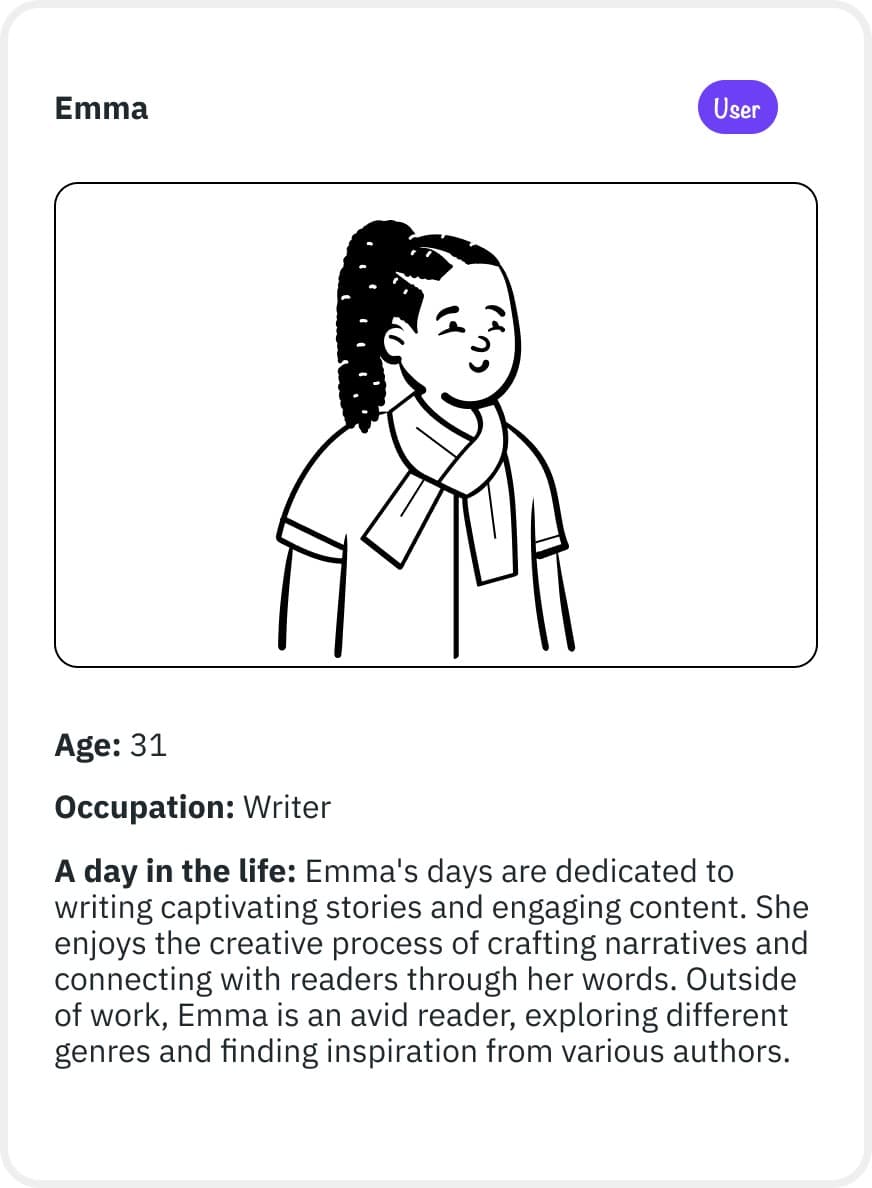
Tell them:
Design a radio for this person.
They have ten minutes.
The important bit is to get them making something. Draw on the box. Add controls. Move things around. Write on it. Don't turn it into a theoretical discussion about what a radio could be.
The People cards might look a little like personas, but I deliberately don't call them personas. They aren't personas, and that's part of the point.
4. Present back
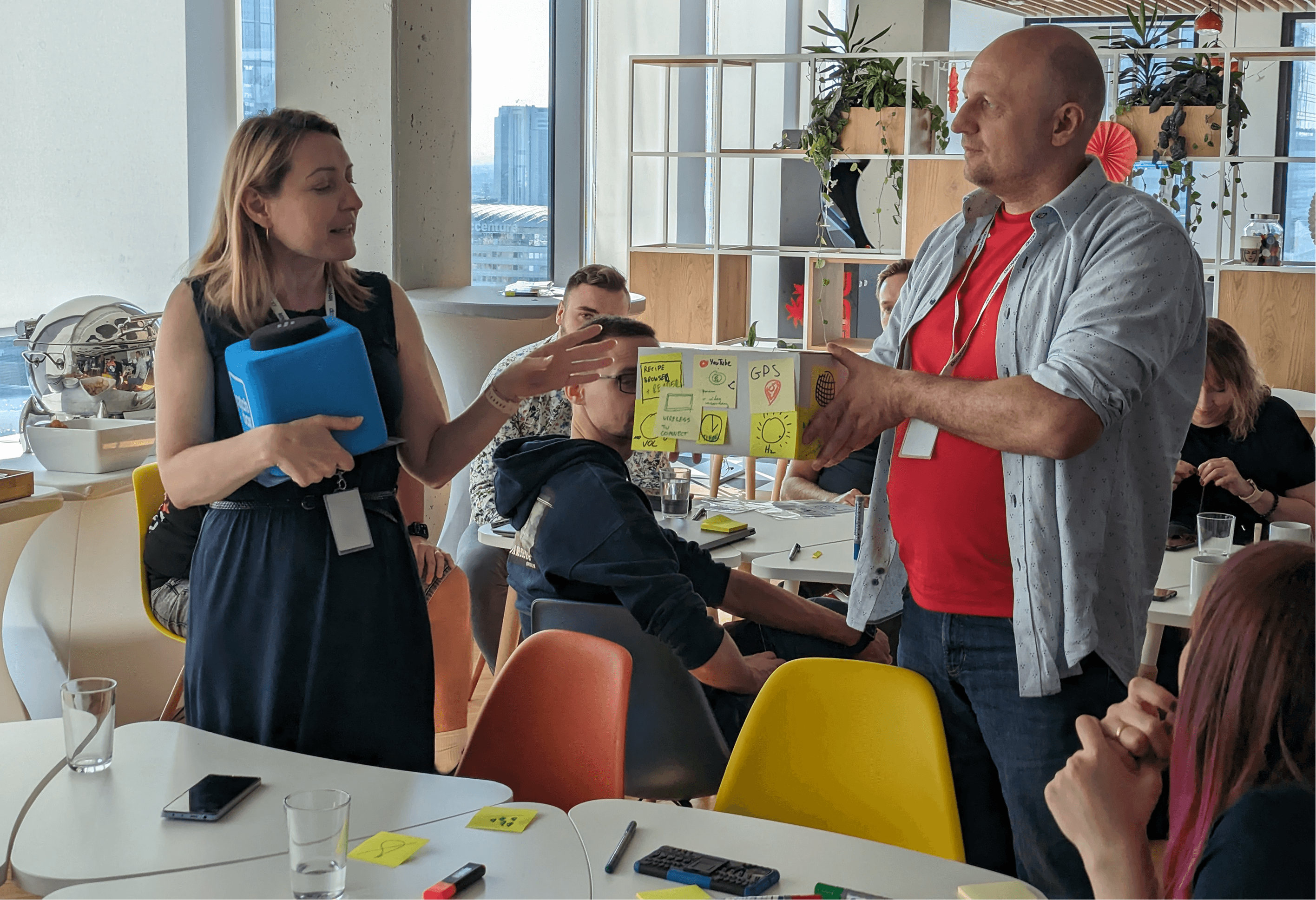
After ten minutes, each team presents its radio to the room.
They explain what they designed, the decisions they made and why they thought their design worked for the person they were given.
Allow enough time for this when planning the workshop. Five teams can easily mean 20–25 minutes of presenting and discussion.
5. Now give them what they didn't know
This is where the exercise changes.
Each team opens a second envelope containing two additional pieces of information about the same person:
- A trait, for example: They love outdoor activities
- An impairment, for example: They have the onset of dementia
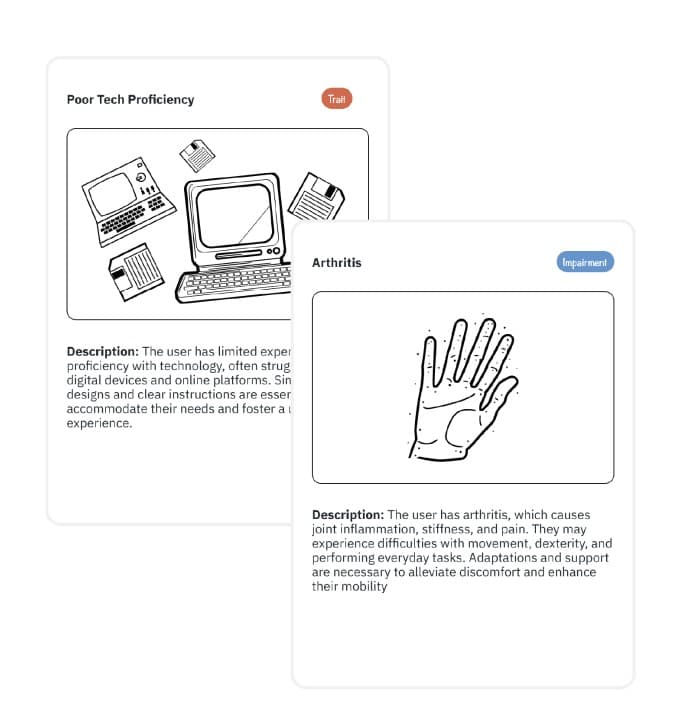
I deliberately pair these randomly rather than choosing combinations that neatly make sense.
The purpose is to make the teams work through new and sometimes challenging information.
They now have another ten minutes to assess their original radio against what they have just learned.
- What no longer works?
- What assumptions did they make?
- What would they change?
- What suddenly matters that didn't matter ten minutes ago?
They then redesign the radio.
6. Present back again
Each team presents its new design.
This time the important part isn't really the radio.
It's the conversation about what changed and why.
Teams explain how their thinking changed once they had more context about the person they were designing for.
The physical product is simply a way of making that change in thinking visible.
7. The practical bit is done
That's the end of the making exercise.
Now you have something much more useful to discuss with the room.
What does this mean for your business?
The radio isn't the point.
The point is how quickly people make design decisions based on limited information, and how dramatically those decisions can change when they understand more about the person using the product.
That's the conversation to bring back to your own organisation.
If you're using the workshop as part of a larger transformation programme, this can form part of a wider programme of education around customer-centred working.
If you're using it at the start of a project, the useful outcome is getting people to question whether they actually know enough about their customers before they start building.
I want people leaving the room asking questions like:
- What does this mean for our product?
- Do we really know enough about our users?
- How do we build better empathy for our customers?
- How do we make sure we're building the right thing for them?
From outputs to outcomes
For Product and Engineering teams, you can take the exercise a step further.
A basic user story might say:
As a user I want to change radio stations So that I can listen to my favourite music
Technically, there is nothing particularly wrong with that.
But compare it with:
As Zofia, who is visually impaired I want to change radio stations So that I can listen to my favourite music
That first line changes the thought process.
The team now has context that affects the design decisions it needs to make.
You can carry the same thinking into acceptance criteria:
Given Zofia, who is visually impaired, wants to change radio stations When she uses the voice command or touch interface Then the station should successfully change
The emphasis has shifted.
The outcome isn't simply that we built a radio capable of changing stations. It's that the person we're designing for can successfully change stations without the unnecessary frustration the existing experience may cause them.
That's a much better conversation for a team to be having.
You don't need to teach everyone UX
One of the things I like most about this workshop is that people don't need to know what UX, accessibility, design thinking or personas mean before they walk into the room.
That's important because customer experience isn't created by Design alone.
Decisions made in Sales, Marketing, Customer Services, Finance, Product, Engineering and elsewhere can all shape the experience customers eventually receive.
The workshop gives those people a simple way to experience something designers deal with all the time:
The more we understand about the people we're designing for, the better the decisions we can make.
That's really what designing the radio is about.